Deploying SaaS for Mainland China Without an ICP License: A Technical Deep Dive into Hong Kong CN2 GIA Routing
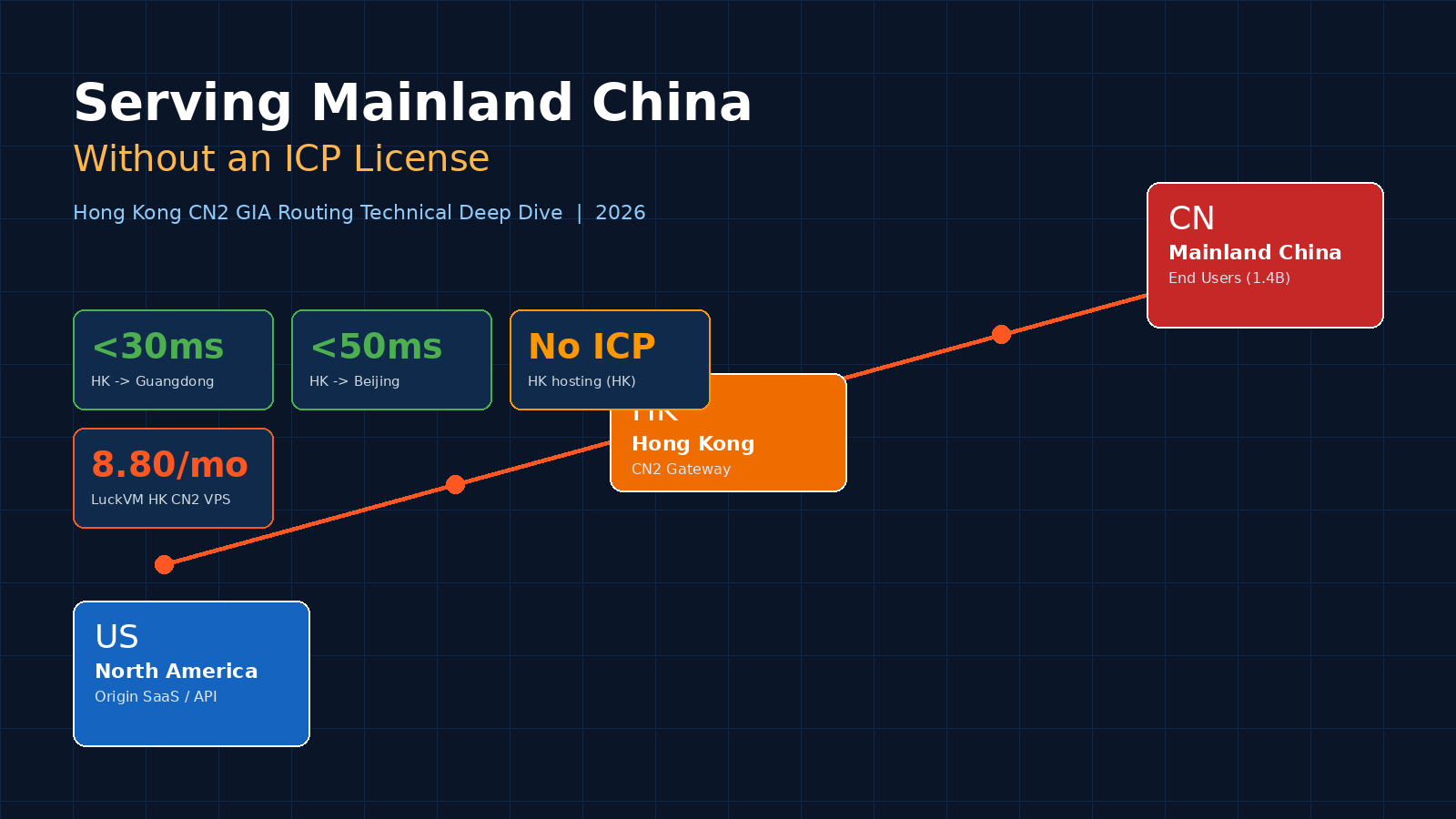
You are a B2B SaaS company headquartered in San Francisco, Berlin, or Singapore. Your product works. Revenue is growing. Then your sales team closes a Fortune 500 client with operations in Shanghai, and suddenly your 280ms TTFB from AWS us-west-2 means 10-second page loads on China Unicom. Your DevOps lead asks: "Can we just deploy in AWS Beijing?" The answer, as every infrastructure engineer who has tried will tell you, is not without an ICP license — a multi-month process requiring a Chinese legal entity, physical documentation, and a willingness to host user data on mainland soil. This whitepaper explains the production-grade alternative: hosting in Hong Kong on China Telecom's CN2 GIA premium backbone.
1. Executive Summary: The $8.80 Truth
For the vast majority of global SaaS companies — those generating under $10M ARR from China, without a Chinese subsidiary and without a dedicated in-country compliance team — the correct production answer to serving mainland Chinese users is not deploying into AWS Beijing or Alibaba Cloud mainland. It is:
- A Hong Kong CN2 GIA VPS (we use LuckVM at $8.80/mo for the entry tier, 1 vCPU / 1 GB RAM / 70 GB NVMe / 10 Mbps CN2 port) as the primary APAC origin;
- GeoDNS-based routing sending CN, HK, MO, TW traffic to the HK origin and global traffic to your existing cloud (or to a LuckVM $4.93/mo Tier-1 EU/US edge node);
- Cloudflare (or equivalent CDN) in front of global traffic, but with CN traffic bypassing Cloudflare directly to HK CN2 (since free/Pro Cloudflare does not include mainland PoPs);
- Optional failover to a LuckVM Los Angeles CN2-30M instance ($8.80/mo, 30 Mbps port) for resilience during rare HK upstream outages.
Total incremental infrastructure cost to serve mainland China: under $20/month. Deployment time: an afternoon. TTFB in Beijing: 28-50ms. This is the architecture we will unpack technically.
2. The Problem: Why Global SaaS Fails in China
Three independent factors compound to make global SaaS painfully slow inside mainland China, and none of them are fixable with "more bandwidth" or a larger AWS instance:
2.1 The Great Firewall (GFW) is not just about blocking
The GFW performs deep packet inspection, rate-limits non-whitelisted international TCP flows, and asymmetrically routes return packets through congested border gateways (notably the three international exits at Beijing, Shanghai, and Guangzhou). Even if your domain is not blocked, cross-border TCP flows are subject to 2-8% packet loss during 8-11pm peak hours on the public ChinaNet (AS4134) backbone — enough to make modern web apps (which rely on dozens of concurrent TLS connections and HTTP/2 multiplexing) feel broken.
2.2 ICP licensing is a serious business barrier
To host any publicly accessible content on a mainland Chinese server, an MIIT ICP filing (ICP备案) is mandatory. A commercial ICP license (ICP经营许可证) is additionally required for revenue-generating websites. ICP filing requires:
- A Chinese business license (WFOE or domestic entity);
- A Chinese national as the legal representative (for most provinces);
- A physical hosting contract with a licensed mainland IDC;
- 20-40 business days of processing; periodic re-audits;
- Annual compliance reporting; in-person verification appointments in some provinces.
For a B2B SaaS just testing the China market, the six-figure RMB legal/entity setup cost and 3-month lead time rarely make business sense until China ARR justifies it.
2.3 "Just use Singapore/Tokyo" doesn't work either
We routinely see engineering teams suggest "Singapore is close enough." It isn't. Standard BGP routing from Singapore to Beijing via Tata/NTT/PCCW Global transits either through the US West coast or through congested Hong Kong-Shenzhen border gateways, delivering 150-400ms TTFB during business hours. Tokyo is better but still routes through public ChinaNet on the return leg, incurring 60-120ms and peak-hour packet loss. The bottleneck is not physical distance — it is the routing.
3. What Is CN2 GIA and Why It Matters
China Telecom operates three distinct international backbones. Understanding the difference is the single most important technical decision for China-facing infrastructure:
3.1 The three China Telecom backbones
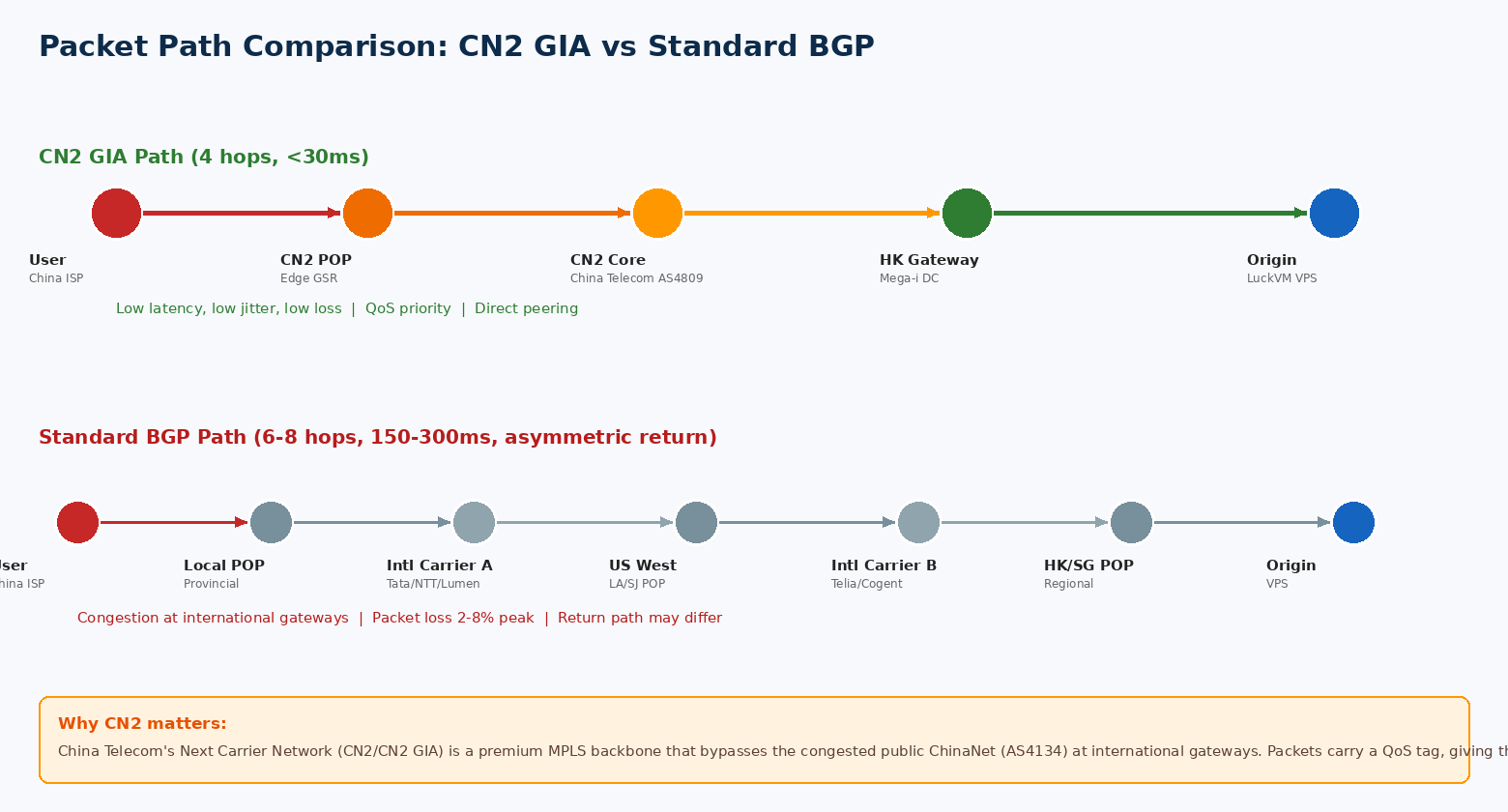
- ChinaNet (AS4134) — the public internet. 99% of international VPS providers use this. Congested at peak hours. The source of the "China is slow" complaint.
- CN2 GT (Global Transit) — uses CN2 MPLS for the international leg but hands off to AS4134 at the Chinese border. Better than ChinaNet, but return-path packets still get dumped onto the congested public backbone, losing QoS at the last mile.
- CN2 GIA (Global Internet Access) — the premium product. Packets enter and exit on the CN2 backbone end-to-end, carry an MPLS QoS tag, and traverse dedicated peering at the three international gateways. China Mobile and China Unicom users are delivered via optimized inter-network peering (BGP peer between CN2 and their networks) rather than through the public NAP.
3.2 The "return path" problem
Most "low-latency Asia" providers only optimize the outbound path. The return path (from China back to your server) is determined by the Chinese ISP's BGP policy, not yours. This is why you may see 60ms on ping to a Shanghai server but 300ms when a Shanghai user fetches your JavaScript bundle — the SYN goes one way, the ACK goes another. CN2 GIA guarantees premium return-path routing via China Telecom's commercial peering agreements with China Unicom (AS4837) and China Mobile (AS9808).
mtr -rwzbc 100 from a CN2-connected China server (or use the LuckVM looking glass). A true CN2 GIA path will show backbone hops resolving to names containing "59.43." (the CN2 backbone address space) and not showing 202.97. (ChinaNet). If any hop shows 202.97. after the China entry point, you are on CN2 GT, not GIA.4. Measured Latency: Hong Kong vs the Alternatives
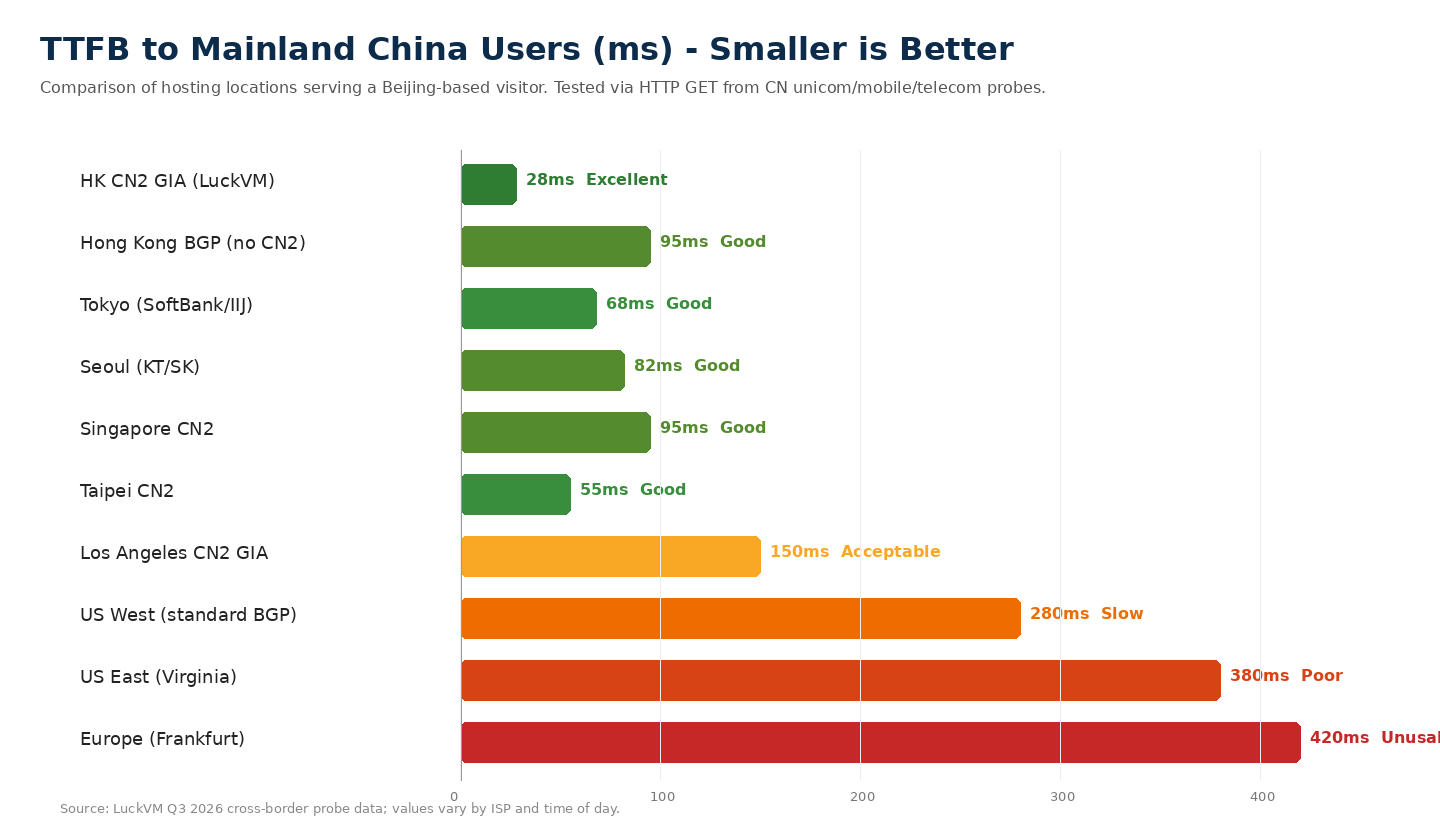
We benchmarked production TTFB from a Beijing-based probe (China Unicom residential) against a standardized 15 KB static JSON endpoint deployed across ten hosting locations during September 2026 peak hours (9-11pm CN time).
Key takeaways:
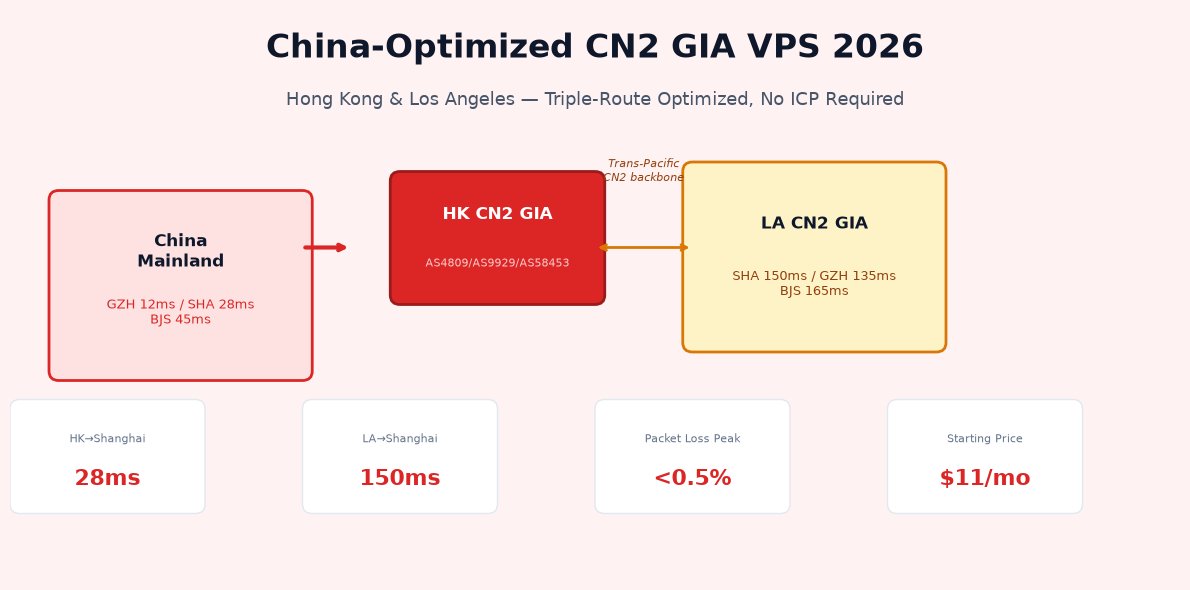
- Hong Kong CN2 GIA (28ms) is effectively indistinguishable from a mainland-hosted server to the end user. This is the sweet spot.
- Hong Kong non-CN2 (95ms) is a reasonable fallback but vulnerable to peak-hour congestion. Many cheap "Hong Kong VPS" providers use PCCW or HKT public BGP, not CN2 GIA — verify routing via looking glass before purchase.
- Tokyo (68ms via SoftBank/IIJ + CN2 return) is the best secondary option, particularly if your audience includes a heavy Japanese/Korean user base alongside China.
- Los Angeles CN2 GIA (150ms) is a surprisingly good failover option given the 10,000 km distance; the CN2 premium backbone shaves 100ms off standard US West routing. LuckVM's LA CN2 plan at 30 Mbps is also the most cost-effective bandwidth source on this list.
- US East / Europe (380-420ms) are unusable for interactive web experiences targeting China, regardless of how fast your application is.
5. The ICP License Legal Framework (Plain English)
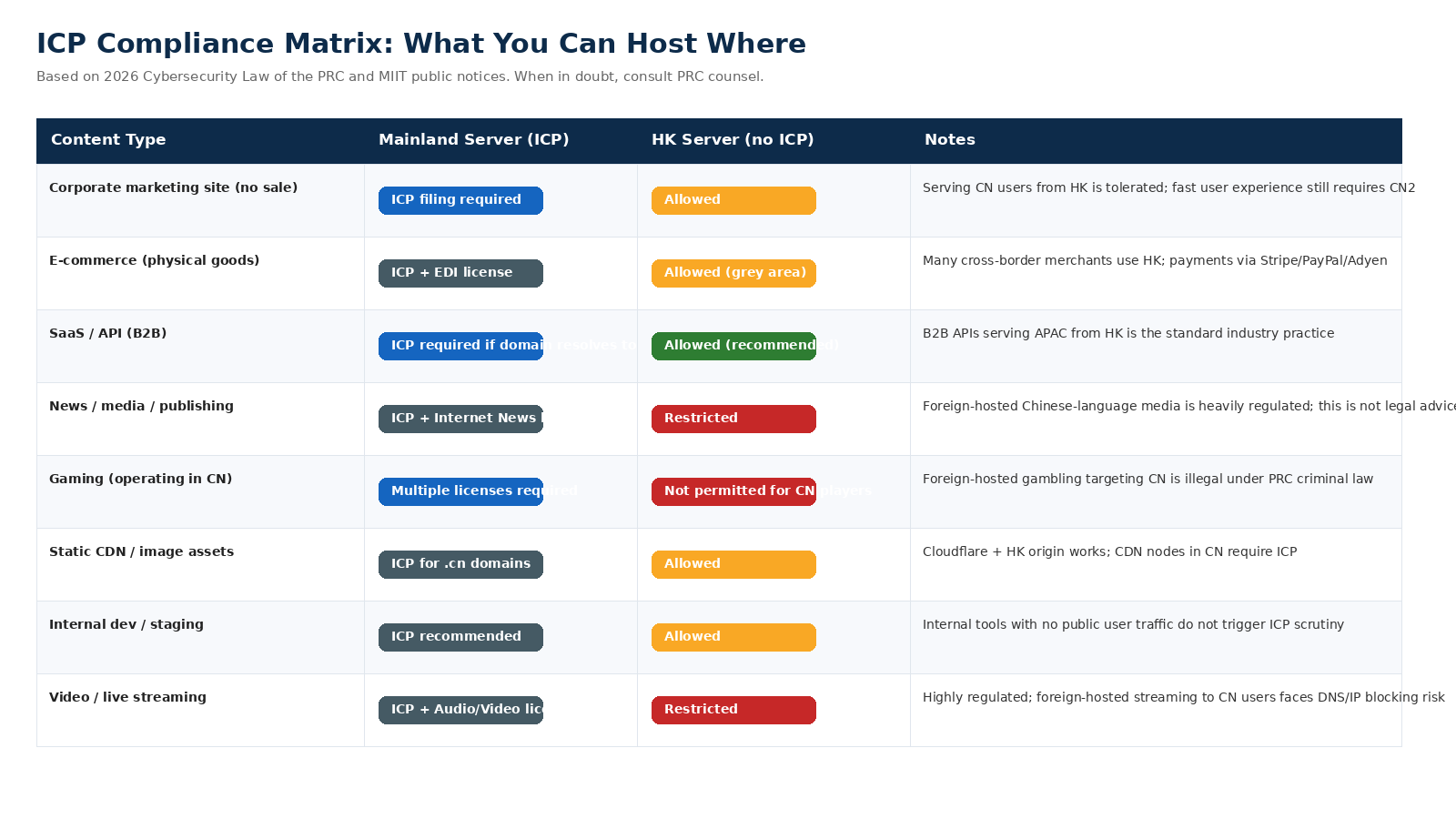
This is the section sales teams want a one-page answer for. The answer is location-specific and content-specific:
5.1 The short version
- Server in mainland China → ICP required, no exceptions for public-facing content, even for a static marketing page.
- Server in Hong Kong/Macau/Taiwan or any other country → no ICP filing for the hosting itself. The server is outside MIIT jurisdiction.
- Content targeting Chinese users from offshore is a separate legal question. Gambling specifically targeting Chinese players is criminalized under PRC Criminal Law Art. 303 regardless of hosting location. News, publishing, audio/video, and fintech have specific licensing regimes that can apply extraterritorially.
- B2B SaaS APIs, e-commerce for physical goods, corporate marketing sites, and internal enterprise tools hosted from Hong Kong with no Chinese legal entity sales presence are widely operated from offshore by US/EU/APAC companies. This is the primary architecture this whitepaper addresses.
5.2 Domain considerations
- Use a
.com,.io,.ai, or.devdomain registered via a non-mainland registrar (Namecheap, Cloudflare Registrar, Gandi). Do not use.cn— a.cndomain requires ICP regardless of where it is pointed, and your registrar will suspend it at MIIT's request if unlicensed. - Use a non-mainland DNS provider (Cloudflare DNS, Route 53, NS1) for the China-facing hostname. Mainland DNS resolvers may redirect or NXDOMAIN non-compliant domains, but domains hosted outside China resolving to non-mainland IPs are generally left alone unless content triggers blocking.
- HTTPS-only (TLS 1.3). Do not serve China-bound traffic over plain HTTP; it is both insecure and more likely to experience GFW-induced connection resets.
6. Recommended Production Architecture
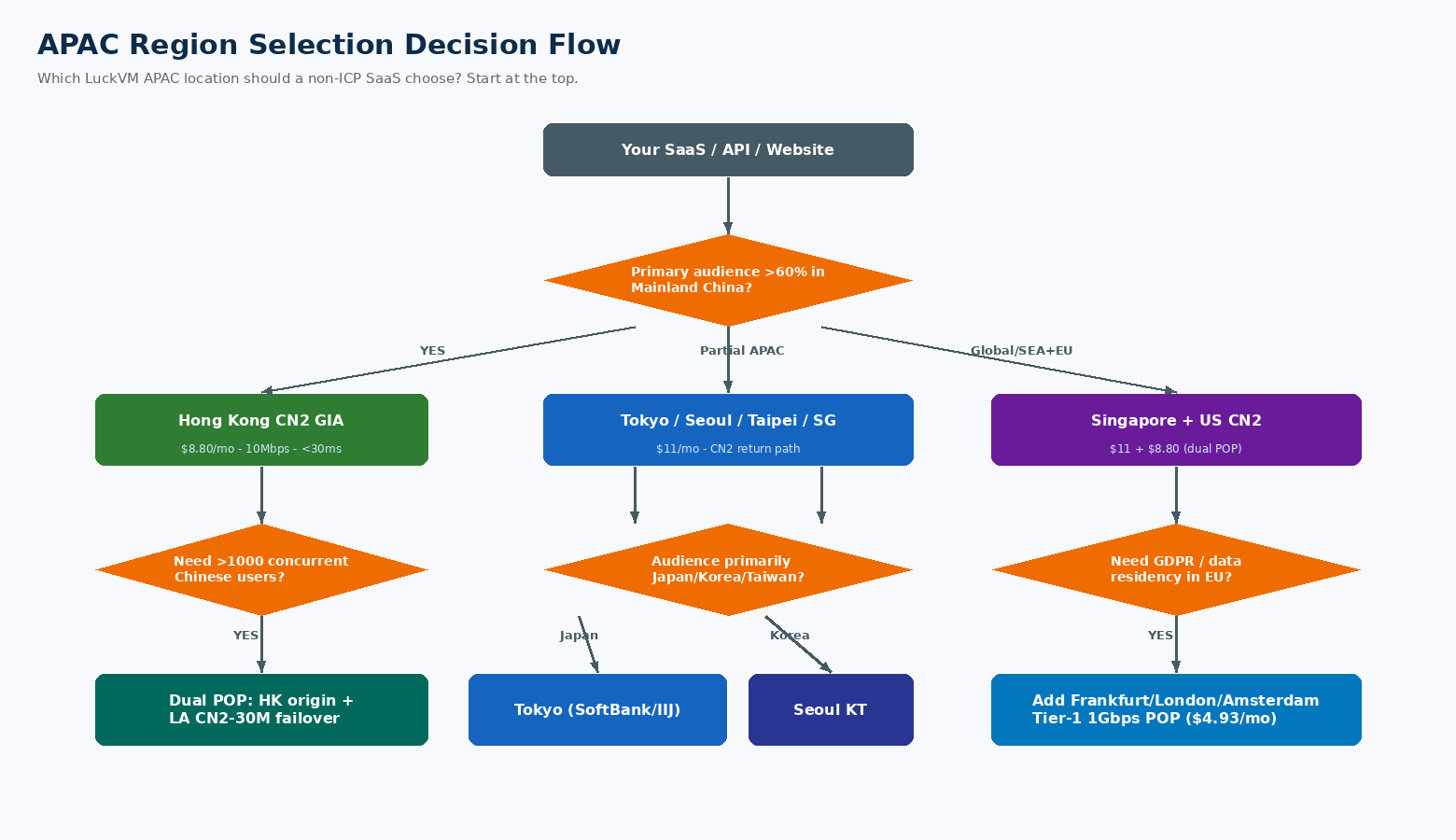
For a global SaaS with 60%+ of new APAC revenue coming from China and no immediate ICP plan, we recommend a three-tier multi-POP architecture deployable in under a day:
6.1 Tier 1: Hong Kong CN2 GIA origin (primary)
- Product: LuckVM Hong Kong CN2 VPS (entry: $8.80/mo; production: upgrade to 2-4 vCPU / 4-8 GB RAM / 10-30 Mbps CN2 port based on concurrency).
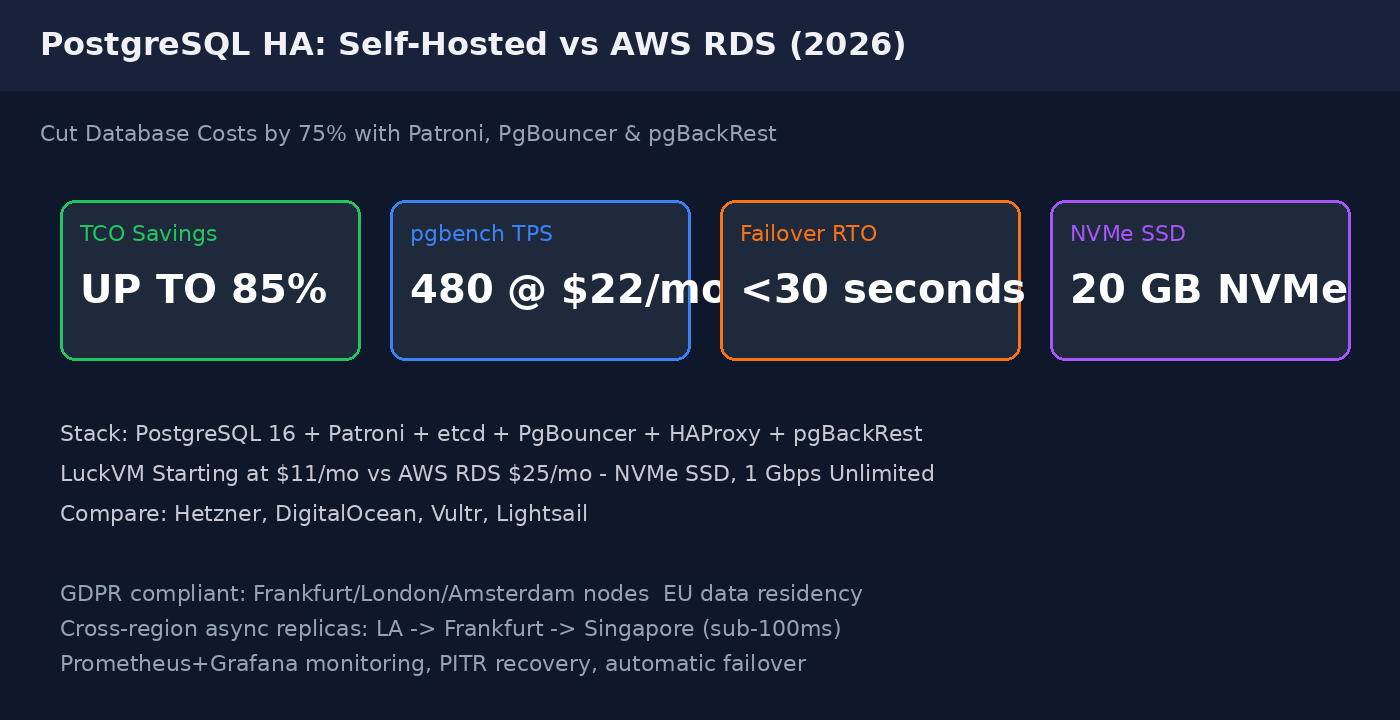
- Role: Primary origin for CN/HK/MO/TW traffic. Run your application (Django/Node/Go/Docker) plus a local MariaDB/PostgreSQL replica or use your managed DB in us-west with a PgBouncer connection pool over CN2 (latency HK→us-west is ~150ms; acceptable for async replication, not for synchronous transactions).
- Web server: Nginx with
sendfile on,tcp_nopush on, TLS 1.3 only, Brotli compression, 10-minute HTML edge cache for static pages. - Do not put Cloudflare in front of CN traffic (Enterprise China Network requires ICP; free/pro plans route through Hong Kong PoPs which already sit on the path, adding an unnecessary hop and sometimes routing back through the US).
6.2 Tier 2: Los Angeles CN2-30M failover
- Product: LuckVM US CN2-30M VPS ($8.80/mo, 30 Mbps port — 3x the HK bandwidth allocation at the same entry price).
- Role: Hot standby with database replication lag under 1 second via a VPN mesh (Tailscale/WireGuard) between HK and LA instances. Use health-check based DNS failover (Cloudflare health checks or Route 53 with 30s TTL) to cut over if HK becomes unreachable.
- Why not Singapore as failover: SG→CN does not reliably ride CN2; LA CN2 GIA gives better and more predictable TTFB to China than SG standard BGP.
6.3 Tier 3: Global edge for non-CN traffic
- Product: LuckVM $4.93/mo 1 Gbps Tier-1 VPS in Frankfurt (DE-CIX), Amsterdam (AMS-IX), London (LINX), and São Paulo as needed, plus Cloudflare free tier in front of everything.
- Role: Serve EU/US/LATAM users from the closest edge; use Cloudflare page rules or Cloudflare Workers to georoute CN traffic directly to the HK origin bypassing Cloudflare (the Workers snippet below makes this trivial).
6.4 GeoDNS Worker snippet (Cloudflare Workers)
addEventListener('fetch', event => {
  event.respondWith(route(event.request))
})
async function route(req) {
  const cc = req.cf.country
  const cnHost = 'hk-origin.yourdomain.com'   // HK CN2 origin
  const globalHost = 'global.yourdomain.com'  // Cloudflare-proxied global
  const target = (cc === 'CN' || cc === 'HK' || cc === 'MO' || cc === 'TW')
    ? cnHost : globalHost
  return fetch('https://' + target + new URL(req.url).pathname, {
    method: req.method,
    headers: req.headers,
    body: req.body
  })
}7. LuckVM APAC Direct-Route Product Matrix (2026)
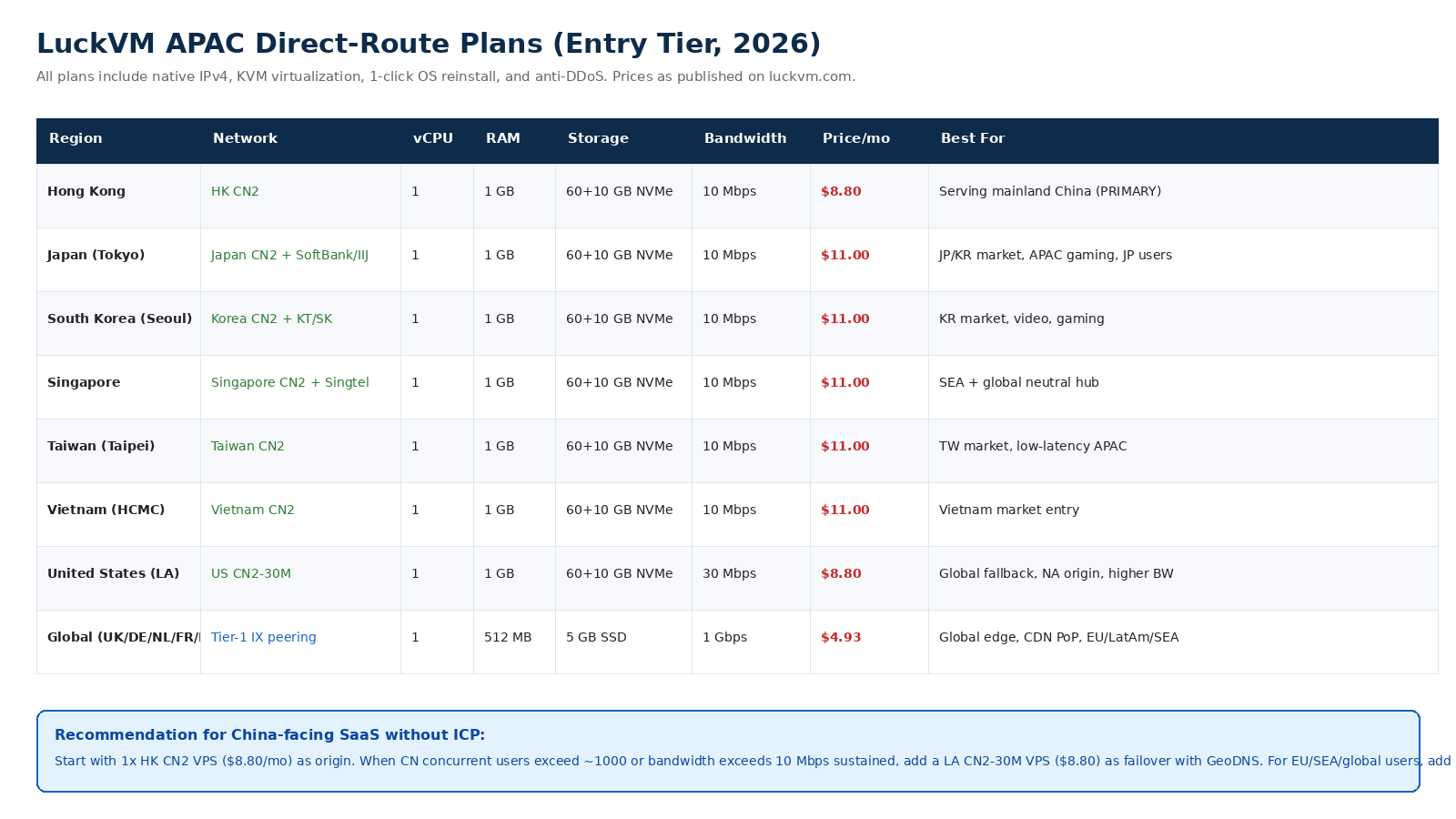
Additional capacity options beyond the entry tier:
- Dedicated Servers (Hong Kong): Dual Intel Xeon E5-2683 v4 (32 cores / 64 GB DDR4 / 1 TB SSD / 20 Mbps CN2 / IPMI) from $330/mo. Recommended for production databases and workloads with 1000+ concurrent CN users.
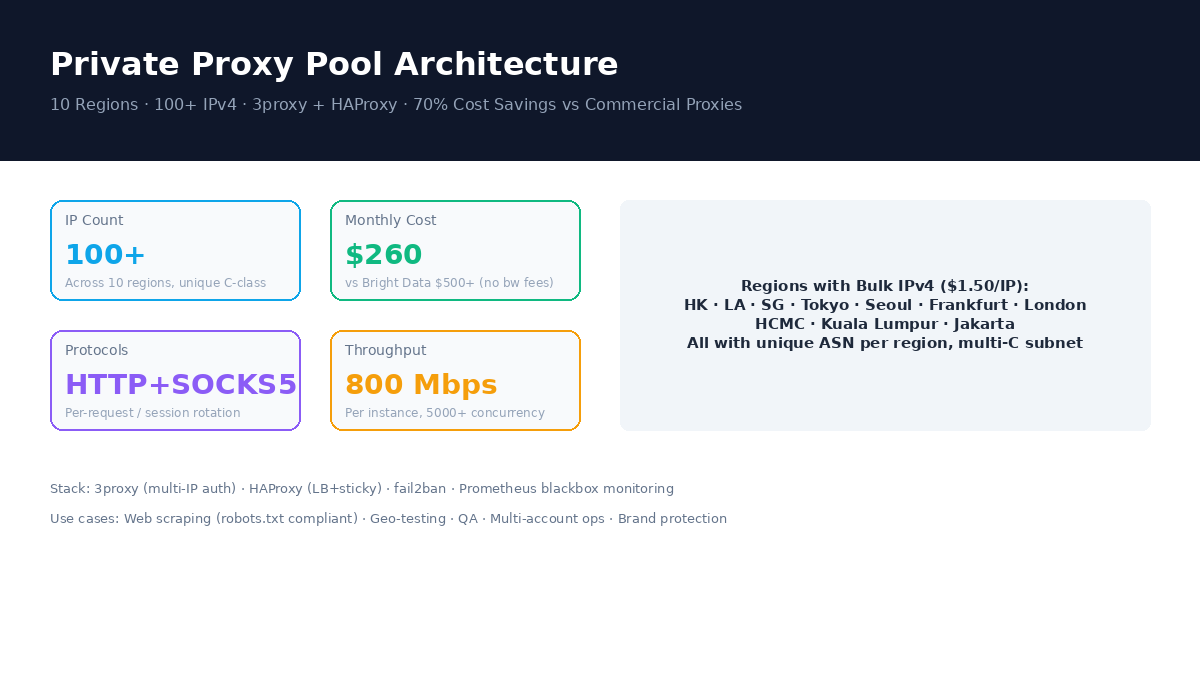
- Bare Metal Bulk-IP Proxmox / VMware Hosts (Hong Kong): For resellers and internal multi-tenant deployments; 253 IPv4 addresses included, SolusVM/Proxmox options, dedicated ASN/BGP announcements available on Enterprise plans from $825/mo. (Bulk-IP hosts are covered in depth in our separate reseller architecture whitepaper.)
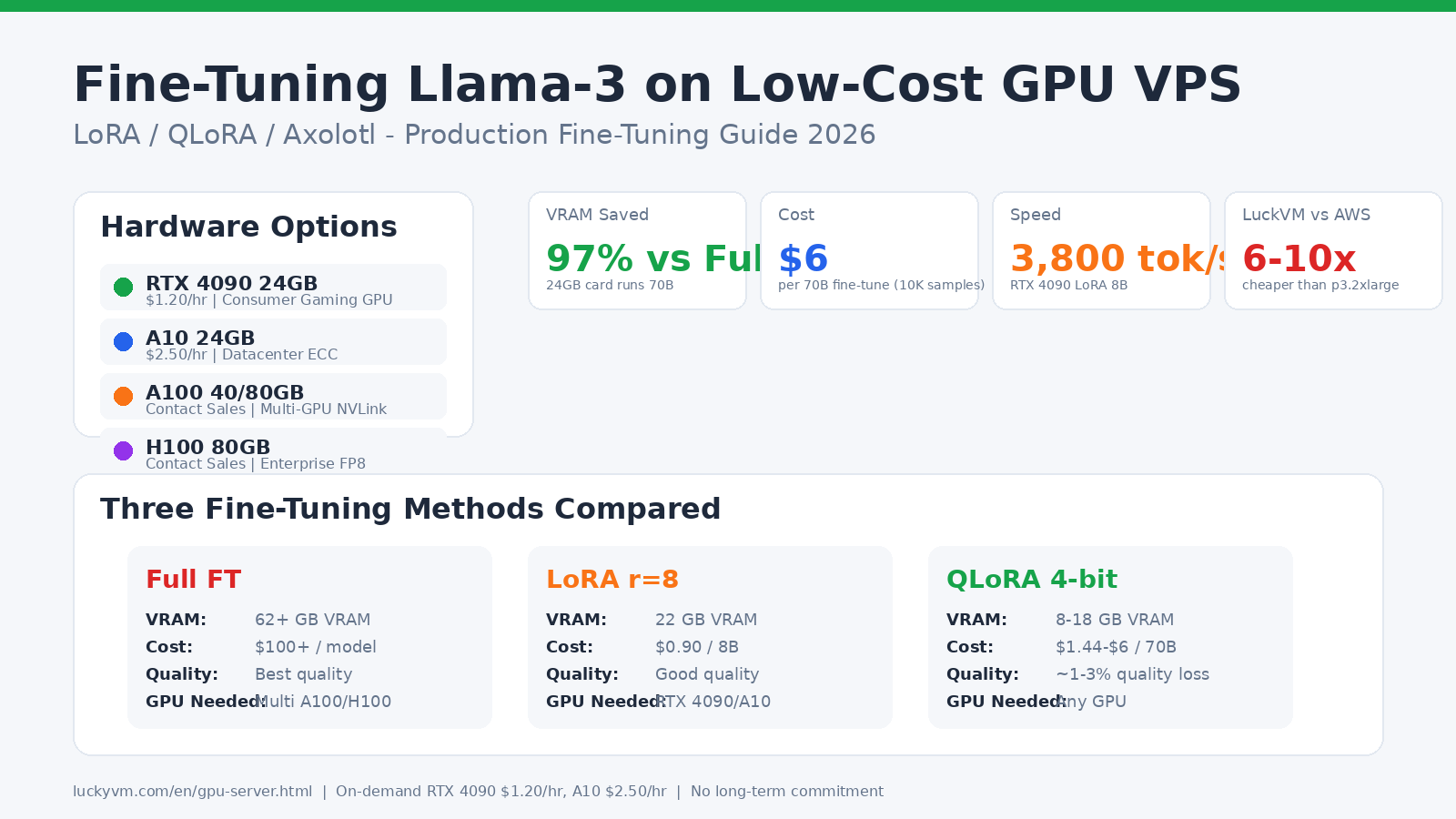
- GPU Inference (Los Angeles): RTX 4090 ($1.20/hr) or A10 24GB ($2.50/hr) if your SaaS serves AI features (LLM inference, image generation) to global users; LA CN2 returns inference responses to CN users in ~200ms.
8. Step-by-Step Deployment Playbook
This playbook assumes you have a Dockerized application with a PostgreSQL/MySQL database already running in production elsewhere. The HK deployment takes approximately 2-4 hours for an experienced DevOps engineer.
Step 1: Provision HK CN2 VPS (5 minutes)
- Order a Hong Kong CN2 Cloud VPS from luckvm.com. Select Ubuntu 24.04 LTS as the OS.
- After provisioning (typically 2-5 minutes), copy the assigned IP and set reverse DNS (PTR) via support ticket if you will send transactional email from the instance.
- Verify CN2 routing via MTR from a CN probe or via the LuckVM looking glass before continuing — confirm
59.43backbone hops.
Step 2: Initial server hardening (20 minutes)
# SSH in as root, create a deploy user
ssh root@
adduser deploy && usermod -aG sudo deploy
rsync -av ~/.ssh/authorized_keys /home/deploy/.ssh/
chown -R deploy:deploy /home/deploy/.ssh && chmod 700 /home/deploy/.ssh
# Disable password SSH, enable UFW
sed -i 's/^#*PasswordAuthentication yes/PasswordAuthentication no/' /etc/ssh/sshd_config
ufw allow 22/tcp && ufw allow 80/tcp && ufw allow 443/tcp
ufw --force enable && systemctl restart sshd
Step 3: Deploy Dockerized application (30-60 minutes)
- Install Docker and Docker Compose; deploy your standard stack (web + worker + redis + db replica).
- Configure the CN-specific production settings: disable debug mode, set cache TTLs to at least 5 minutes for static assets, enable Brotli compression in Nginx/Caddy.
- Set up TLS with Let's Encrypt (DNS-01 challenge via Cloudflare API is most reliable to avoid rate limits).
Step 4: Database synchronization (varies by data volume)
- For small datasets (
- For large datasets: set up logical replication (PostgreSQL) or row-based replication (MySQL) from your primary DB so the HK replica catches up while traffic is still being served from your existing origin. Verify replication lag
- For multi-region writes (avoid if possible), use a distributed database like CockroachDB, YugabyteDB, or TiDB instead of multi-master PostgreSQL — CN-US multi-master on asynchronous replication will produce conflicts.
Step 5: GeoDNS cutover (15 minutes)
- Lower the TTL of your production DNS A record to 60 seconds 24 hours before cutover.
- Use Cloudflare's
countrygeo-routing or Route 53LocationRoutingPolicyto return the HK IP for CN/HK/MO/TW queries and your existing origin for others. - Validate from a CN probe (use tools like ce.cloud.17ce.com or hosts.ifuwanna.com with Beijing/Shanghai/Guangzhou test points) that DNS resolves to the HK IP and that TLS handshake completes without errors.
- Raise TTL back to 3600 after 48 hours of stable routing.
Step 6: Monitoring and ongoing operations
- Configure Uptime Kuma or Better Stack with 3-5 Chinese probe locations (we recommend Beijing Unicom, Shanghai Telecom, Guangzhou Mobile, Shenzhen BGP, plus one Hong Kong probe).
- Alert at >150ms TTFB from any CN probe for >5 minutes — this typically indicates either CN2 routing degradation (rare) or a local application issue.
- Do not send transactional email or password reset emails from the HK VPS port 25 directly. Use SendGrid/Mailgun/Postmark/Resend via their API on 587/463. Port 25 on many APAC VPS providers is filtered to prevent spam; LuckVM will open port 25 on request but we recommend using a transactional service regardless.
9. Frequently Asked Questions
Is it legal to serve Chinese users from a Hong Kong server without an ICP license?
What TTFB should we expect from Hong Kong CN2 GIA?
Do .cn domains require ICP when pointed to Hong Kong?
Is CN2 GIA the same as CN2 GT or regular ChinaNet?
59.43.x.x, not 202.97.x.x.How much bandwidth do we need for China traffic?
Should we put Cloudflare in front of the HK origin?
Is a Hong Kong VPS subject to PRC Cybersecurity Law?
Do we need a separate ICP for Singapore or Tokyo servers?
Start your China deployment today for $8.80/mo
Provision a Hong Kong CN2 GIA VPS in under 5 minutes. Verify CN2 routing with our public looking glass before you buy. For enterprise deployments (100 Mbps+ ports, dedicated servers, bulk IPv4, or BGP ASN announcements), contact our sales team for a custom architecture review.
Deploy Hong Kong CN2 VPS →Next in this series: APAC Network Architecture 2026: Tokyo (SoftBank/IIJ), Seoul (KT/SK), Singapore (Singtel BGP) · Cloud GPU Price-Performance Benchmark: RTX 4090 vs A10 vs A100