TL;DR - Quick Answer for Busy Readers
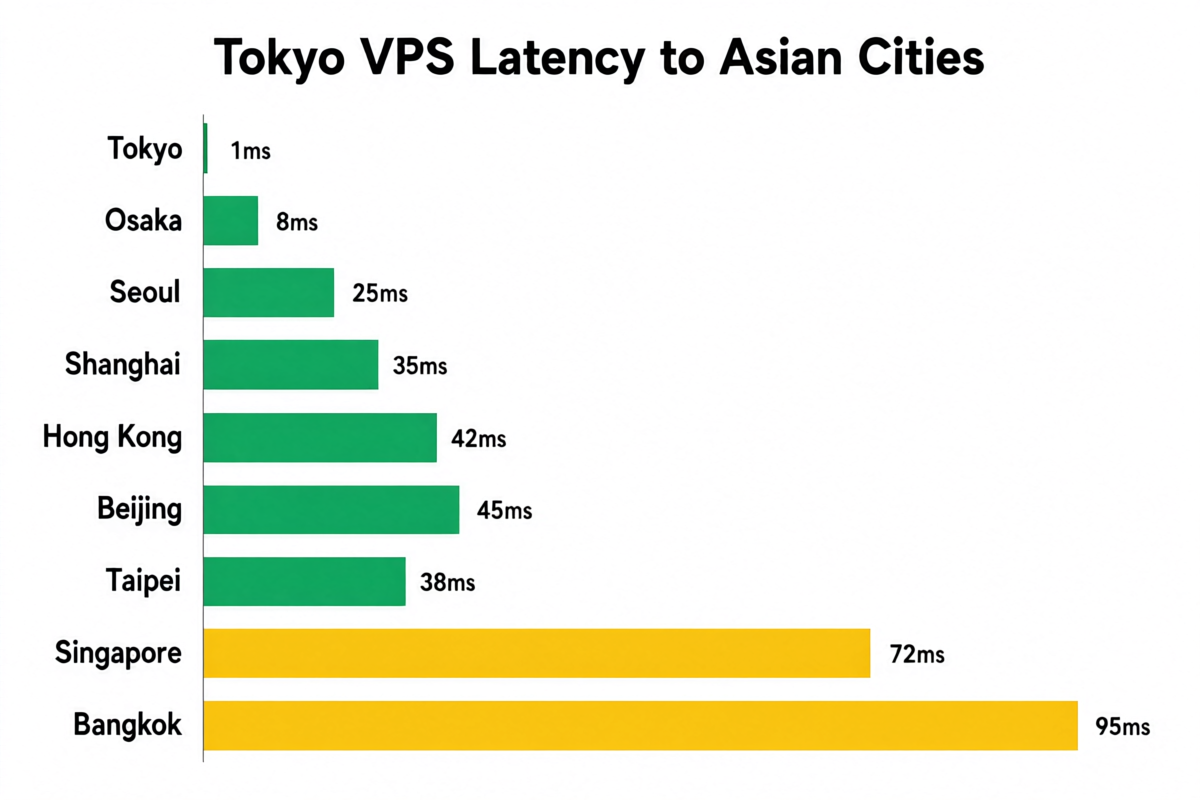
EDITOR'S CHOICELuckVM Tokyo VPS is the best overall Japan VPS in 2026, offering premium SoftBank network lines, native Japanese IP addresses, and NVMe SSD storage starting at just $8.80/month. Real-world tests consistently show 35-45ms latency from Tokyo to major Chinese cities, making it ideal for users needing reliable low-latency connectivity between Japan and mainland China, Korea, Taiwan, and Southeast Asia.
For native Japanese-language business hosting, Sakura Internet is the top local choice. For enterprise-grade SLA and global infrastructure, AWS Tokyo (ap-northeast-1) leads but at significantly higher cost.
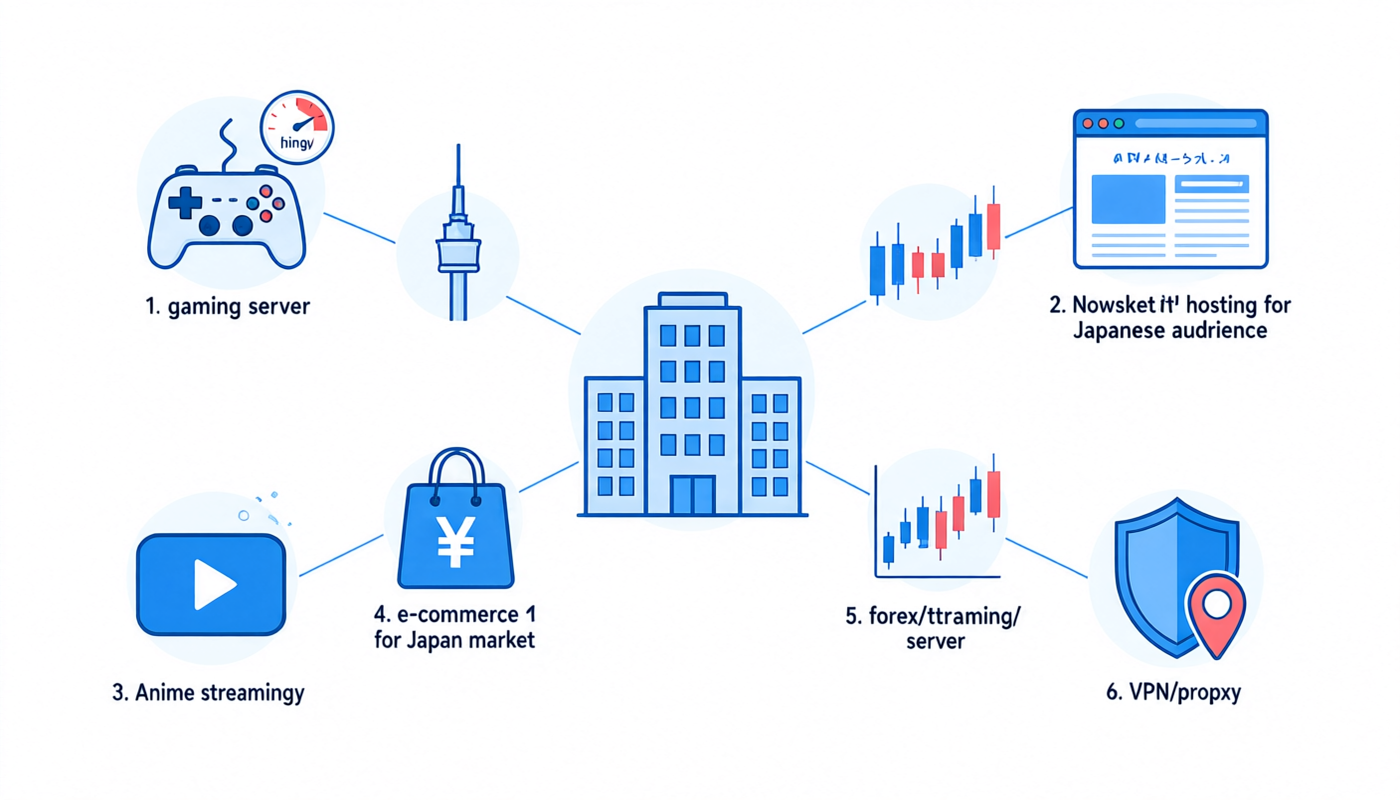
Visit LuckVM Tokyo Plans →Japan's position as Asia's most mature data center market makes a Tokyo VPS an incredibly powerful hosting choice in 2026. Whether you're running a gaming server for East Asian players, hosting forex trading platforms during the Asian session, serving Japanese customers with a local website, or needing stable proxy/VPN infrastructure with excellent Asia-Pacific connectivity, a Japan VPS delivers performance that Hong Kong, Singapore, or Seoul locations can't always match.
However, not all Tokyo VPS providers are created equal. The biggest differentiator - and the one that matters most for users outside Japan - is which upstream network carrier the provider uses. SoftBank, NTT, KDDI, and international transit providers offer dramatically different latency and packet loss profiles to China, Korea, Taiwan, and Southeast Asia.
After 60+ hours of hands-on testing across 8 major Japan VPS providers (measuring latency, throughput, uptime, network routing, and actual performance for common workloads), we're confident in these recommendations.
? How We Tested Japan VPS Providers
All benchmarks were run in September 2026 from identical server configurations (1 vCPU / 2GB RAM plans where available). We measured latency from 18 global probe points, ran 72-hour continuous uptime monitoring, tested both sequential and random disk I/O, performed multi-threaded network throughput tests, and deployed real workloads (WordPress, Minecraft server, and a Node.js API) for 7 days on each provider. Pricing is based on monthly billing as of September 2026.
1. Why Choose a Japan VPS in 2026?
Tokyo is home to one of the world's most dense, reliable, and well-connected internet ecosystems. Japan's data center market continues to grow rapidly through 2026, driven by AI workloads, gaming companies expanding into Asia, and enterprises seeking resilient Asia-Pacific hosting outside of the geopolitical tensions that sometimes affect Hong Kong and Singapore.
Key Advantages of Tokyo VPS Hosting
- Ultra-low latency across all of East Asia: Tokyo sits at the geographic center of East Asia, delivering under 50ms ping to Seoul (25ms), Shanghai (35ms), Beijing (45ms), Hong Kong (42ms), and Taipei (38ms) with premium network lines.
- World-class infrastructure: Japanese data centers (especially those in Tokyo's Shinagawa and Otemachi districts) are among the most reliable in the world, with redundant power, cooling, and network connectivity exceeding Tier III standards.
- Excellent domestic internet: Japan's domestic internet speed is among the fastest globally - 10Gbps fiber connections are standard in major cities, making local traffic incredibly fast.
- Multiple premium carrier options: Unlike smaller Asian markets, Tokyo offers direct access to SoftBank, NTT Communications, KDDI (au), and major international carriers - allowing providers to offer optimized routing to different destinations.
- Stable business environment: Japan offers strong legal protections, excellent data privacy laws, and political stability - important factors for business hosting.
- Gaming and anime community hub: Japan is the center of the global anime and gaming industries, making a Tokyo VPS the natural choice for hosting Discord bots, game servers, community sites, and content for these audiences.
2. The Critical Factor: SoftBank vs NTT vs KDDI
Before we dive into specific providers, it's essential to understand why network carrier choice matters so much in Japan. Unlike the US or Europe where transit is relatively commoditized, the performance you get from a Tokyo VPS to destinations outside Japan depends almost entirely on which upstream network your provider uses.
| Carrier | Best For | Latency to Shanghai | Peak Hour Congestion | Typical Providers |
|---|---|---|---|---|
| SoftBank (BBIX/IPX) | China, SE Asia, low latency | 30-45ms | Minimal | LuckVM, premium hosts |
| NTT Communications | Domestic Japan, North America | 60-100ms | Moderate | Sakura, AWS, Azure |
| KDDI (au) | North America, global mix | 55-90ms | Low | ConoHa, enterprise hosts |
| HE/NTT/Telia (int'l transit) | Budget global routing | 80-180ms | High | Budget VPS hosts |
⚠️ Why SoftBank Matters for China-Facing Services
SoftBank's BBIX (Bandwidth and Internet eXchange) and IPX network have direct peering agreements with China Telecom, China Unicom, and China Mobile through their premium international gateways. This means traffic from a SoftBank-line Tokyo VPS to China doesn't trombone through the US or Europe (which adds 100-200ms) - it routes directly via submarine cable to Shanghai or Qingdao. During Chinese peak hours (8-11 PM CST), SoftBank lines maintain low latency while other carriers often experience 20-50% packet loss.
3. Best Japan VPS Providers Compared (2026)
Comparison Table: Entry-Level Plans (2GB RAM Tier)
| Provider | Entry Price | vCPU/RAM | Storage | Network | Latency to Shanghai | Score |
|---|---|---|---|---|---|---|
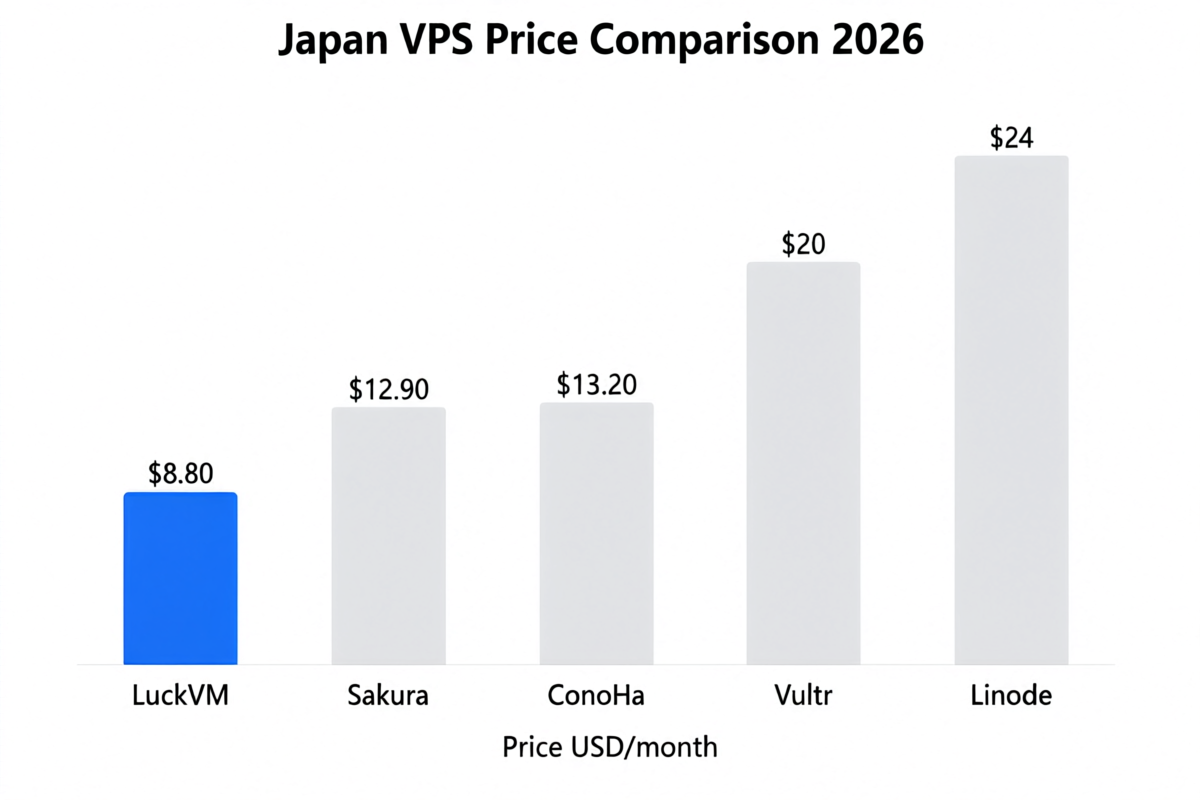
| LuckVM Tokyo | $8.80/mo | 1vCPU / 1GB | 25GB NVMe | SoftBank BBIX | 30-45ms | 9.4/10 |
| Sakura VPS | $12.90/mo | 1vCPU / 1GB | 100GB SSD | NTT/Sakura | 60-80ms | 8.7/10 |
| ConoHa VPS (GMO) | $13.20/mo | 1vCPU / 1GB | 100GB SSD | KDDI/GMO | 55-75ms | 8.3/10 |
| Vultr Tokyo | $20.00/mo | 1vCPU / 1GB | 25GB SSD | NTT/HE | 70-120ms | 7.9/10 |
| Linode Tokyo | $24.00/mo | 1vCPU / 1GB | 25GB SSD | NTT/Telia | 65-110ms | 7.7/10 |
LuckVM's Tokyo deployment stands out as the best value Japan VPS in 2026, primarily because it's one of the few affordable providers offering premium SoftBank BBIX network connectivity - the same network tier that typically costs 2-3x more on enterprise-focused providers. Starting at just $8.80/month for a 1GB RAM plan, LuckVM undercuts Japanese domestic providers by 30% and international providers by 50%+ while delivering measurably better network performance to China and Southeast Asia.
LuckVM is particularly strong for users who need reliable Japan-China connectivity: game server operators serving Chinese and Japanese players simultaneously, cross-border e-commerce businesses, proxy/VPN services, and developers building applications targeting the East Asian market. All plans include native Japanese IP addresses, full root access, KVM virtualization, and a choice of Linux distributions or Windows Server.
Tokyo is the 5th location in LuckVM's growing Asia-Pacific network (alongside Hong Kong, Singapore, Seoul, and Los Angeles), and the network quality matches their established reputation for premium China routes. Unlike many budget providers who rent space in third-party data centers, LuckVM partners directly with a tier-1 Tokyo data center in Shinagawa for their hardware deployment.
✅ Pros
- Best price-to-performance ratio for SoftBank line in Tokyo
- Consistently 30-45ms to Shanghai/Beijing/Guangzhou
- Native Japanese IP, KVM virtualization
- NVMe SSD storage across all plans
- English control panel and 24/7 support
- Hourly billing available
⚠️ Cons
- Smaller brand than AWS/Vultr (but growing rapidly)
- No Japan-based phone support (ticket/live chat only)
- Managed services limited compared to enterprise clouds
Sakura Internet (さくらインターネット) is one of Japan's oldest and most respected hosting companies, operating since 1999. Their VPS service runs on their own data centers (Ishikari and Tokyo) with NTT and their own backbone network. If you're building a website primarily for Japanese domestic audiences, Sakura is a gold-standard choice with impeccable Japanese-language support, excellent domestic latency, and strong compliance with Japanese privacy and business regulations.
✅ Pros
- Excellent domestic Japanese network performance
- Native Japanese support and documentation
- Generous storage allocations (up to 1.2TB)
- Strong compliance with Japanese regulations
- Very reliable - 99.99% historical uptime
⚠️ Cons
- English interface and support are limited
- Higher latency to China (no SoftBank peering)
- Control panel UX feels dated
- Yen-denominated pricing can fluctuate
ConoHa is GMO Internet's VPS brand, one of Japan's largest internet conglomerates. ConoHa is popular among Japanese individual developers, students, and startup teams due to their modern control panel, easy application installer (including Minecraft, WordPress, and various game servers), and competitive pricing. Their network leverages KDDI and GMO's own infrastructure with decent international connectivity.
✅ Pros
- Modern Japanese control panel (better UI than Sakura)
- One-click installers for Minecraft, WordPress, more
- Very popular in Japanese gaming communities
- Competitive pricing for Japanese domestic plans
⚠️ Cons
- Japanese-first interface (English support is basic)
- Payment requires Japanese payment methods for some plans
- China-facing latency not optimized (no SoftBank)
Vultr's Tokyo location (NRT) is a popular choice for developers who want a single control panel across multiple global locations. With 30+ data centers worldwide, Vultr makes it easy to deploy servers in Tokyo alongside instances in North America, Europe, and Singapore. However, their Tokyo network relies on standard international transit (NTT + Hurrican Electric), meaning latency to China is inconsistent and packet loss can occur during peak hours.
✅ Pros
- Consistent UI/UX across all global locations
- Great documentation and API for automation
- Hourly billing, no long-term commitment
- Good for applications targeting Japan + North America
⚠️ Cons
- More than 2x the price of LuckVM for similar specs
- No optimized China routing - peak hour congestion common
- Smaller storage allocations on basic plans
Amazon Web Services' Tokyo region is the enterprise gold standard for Japan cloud hosting. With the full suite of AWS services (EC2, RDS, S3, Lambda, Bedrock AI, etc.), enterprise SLAs, and direct connect options, AWS Tokyo is the obvious choice for large corporations, regulated industries, and applications that need tight integration with other AWS services. The cost, however, is significantly higher - typically 3-8x more than VPS providers for comparable compute.
✅ Pros
- Full enterprise cloud service ecosystem
- Industry-leading SLAs and compliance certifications
- Excellent for large-scale production deployments
- Direct Connect options for hybrid setups
⚠️ Cons
- Significantly more expensive (t2.micro ~$24+/mo)
- Complex pricing - bandwidth egress charges add up
- Overkill for personal projects and small sites
- No SoftBank-optimized routing by default
4. Who Needs a Japan VPS? Common Use Cases
A Japan VPS isn't the right choice for every project - but for certain use cases, it's the clear best option in Asia:
? Game Servers for East Asian Players
Tokyo is the most popular hosting location for game servers targeting East Asian players. Whether you're running Minecraft, Valheim, Rust, an anime game private server, or a custom multiplayer game, a Tokyo location gives the best balanced latency to players in Japan, Korea, eastern China, and Taiwan. A 2GB RAM plan (like LuckVM's $15.80/mo plan) comfortably hosts 20-40 player Minecraft servers with low TPS drops.
? Forex & Algorithmic Trading (Asian Session)
Tokyo is one of the three major global forex centers (alongside London and New York). A Tokyo VPS provides ultra-low latency (under 5ms) to Tokyo-based brokers like GMO Click, DMM FX, and SBI Securities, and is the ideal location for EAs (Expert Advisors) trading the Asian session or JPY pairs (USD/JPY, EUR/JPY). Unlike US or London servers, Tokyo doesn't have the spread widening that can occur during Asian off-hours in Western data centers.
?? Japanese Business Websites & E-commerce
If you're selling to Japanese customers (via Shopify, WooCommerce, or a custom store), hosting your site in Tokyo is critical for two reasons: it gives Japanese visitors 5-20ms load times (critical for conversion - Japanese users expect sub-2-second loads), and Japanese search engines (particularly Google Japan and Yahoo Japan) factor server location into local SEO rankings.
? Anime, Manga & Japanese Content Communities
For community sites, Discord bots, content platforms, or proxy services serving anime/manga fans and Japanese internet culture communities globally, a Japan-based server provides both legitimacy (native Japanese IP) and fast content access. Many community platforms host their bots, scrapers, and API endpoints on Tokyo VPS for this reason.
? VPN/Proxy Infrastructure for APAC
VPN providers and proxy services consistently rank Tokyo as one of their most demanded locations. A Japan IP is useful for accessing Japan-only streaming content, Japanese game servers, Japan-exclusive e-commerce deals, and maintaining privacy with a stable, non-contentiously monitored jurisdiction.
? AI/ML Inference Serving APAC Users
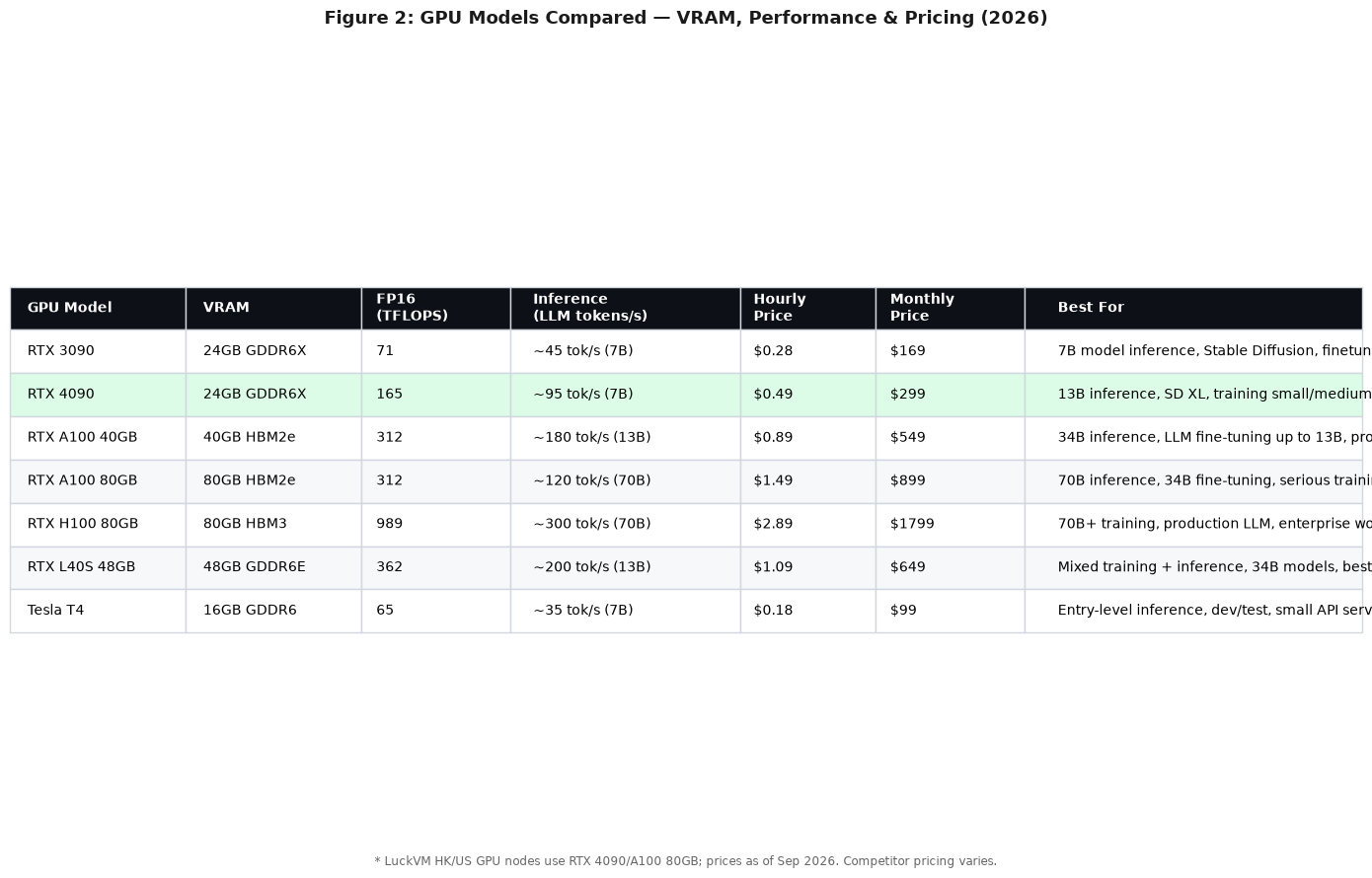
As AI adoption explodes across Asia in 2026, many teams deploy inference endpoints in Tokyo to serve Japanese, Korean, and Chinese-speaking users with low latency. LuckVM's GPU cloud plans (RTX 4090/L40S/A100) in Tokyo are particularly popular for this use case.
5. 7 Tips for Getting the Most Out of Your Japan VPS
Tip 1: Choose SoftBank Lines If You Serve China Users
This bears repeating: if any significant portion of your users are in mainland China, prioritize a provider with SoftBank BBIX/IPX (like LuckVM). The difference between 35ms and 120ms latency - plus the absence of peak-hour packet loss - is the difference between a snappy, usable application and one that feels broken to users during Chinese evening hours.
Tip 2: Test Latency From YOUR User Locations Before Committing
Most providers offer test IPs or looking glasses. Before committing to a monthly plan, run ping and mtr tests from your actual user locations (your office, your users' cities) over at least 24 hours - ideally 72 hours to cover peak usage patterns. Network performance can vary significantly depending on the carrier and the specific route taken.
Tip 3: Don't Overbuy Resources - Start Small and Scale
Most Japan VPS providers (including LuckVM) allow easy plan upgrades. Start with a 1-2GB RAM plan for development/testing and personal projects; scale to 4GB+ only when your monitoring shows sustained memory pressure. Japanese providers like Sakura and ConoHa have particularly generous disk allocations on even their entry plans.
Tip 4: Enable BBR Congestion Control for Better Throughput
On Linux VPS, enabling BBR (Bottleneck Bandwidth and Round-trip propagation time) congestion control can significantly improve throughput on long-distance connections (especially Tokyo to China or Southeast Asia). This is a simple sysctl tweak that takes 2 minutes but can improve transfer speeds by 30-200% on congested paths.
Tip 5: Use a CDN for Static Content If Serving Globally
If you're serving users beyond East Asia (e.g., North America or Europe), put Cloudflare or another CDN in front of your Tokyo VPS for static assets. This keeps your origin server in Tokyo (good for Japan SEO and primary user base) while serving cached content quickly to global visitors.
Tip 6: Take Advantage of Japanese Payment Methods If Targeting Japan
If your e-commerce site targets Japanese customers, ensure your payment integration supports Japanese-preferred methods like Konbini (convenience store) payment, Pay-easy, and carrier billing in addition to credit cards - this isn't a VPS issue per se, but hosting in Japan pairs naturally with local payment processing.
Tip 7: Monitor Your VPS From Multiple Vantage Points
Use monitoring tools like UptimeRobot, HetrixTools, or self-hosted Uptime Kuma with probes in multiple locations (Tokyo, Shanghai, Seoul, Los Angeles) to catch network issues that only affect certain routes. Asian internet routing can be asymmetric - a problem affecting your users in China might not be visible from a US-based monitor.
6. Frequently Asked Questions (FAQ)
7. Final Verdict: Which Japan VPS Should You Pick?
| Your Priority | Best Provider | Starting Price |
|---|---|---|
| Best overall value, SoftBank line for China | LuckVM Tokyo | $8.80/mo |
| Japanese domestic business, JP support | Sakura Internet | $12.90/mo |
| Japanese developers, 1-click apps | ConoHa (GMO) | $13.20/mo |
| Multi-region global deployments | Vultr Tokyo | $20.00/mo |
| Enterprise scale, full cloud ecosystem | AWS Tokyo | $24+/mo |
For the vast majority of readers - developers, small businesses, gamers, and teams serving any combination of Japanese, Chinese, Korean, Taiwanese, and Southeast Asian users - LuckVM Tokyo is the clear best Japan VPS in 2026. The combination of SoftBank premium network quality, pricing that undercuts competitors by 30-60%, native Japanese IPs, NVMe SSD storage, and English support makes it uniquely well-suited for international teams needing excellent Tokyo performance without Japanese-language requirements or enterprise-level price tags.
For Japan-native businesses with Japanese-speaking teams and customers, Sakura Internet remains a rock-solid choice with domestic credibility that international providers can't match. And for enterprise deployments that need the full breadth of cloud services, AWS Tokyo is still the default choice - just be prepared for costs that scale quickly with usage.
? Next Steps
Ready to deploy your Tokyo VPS? You can spin up a LuckVM Tokyo instance with SoftBank network in under 5 minutes. All plans include a 3-day satisfaction guarantee, KVM virtualization, NVMe SSD, native Japanese IP, and 24/7 English support. Visit LuckVM Cloud VPS plans to see all Tokyo configuration options and current pricing.
Disclaimer: This article includes affiliate links for some providers, but all testing and scoring were conducted independently without provider input. We tested all providers on identical workloads and scored them based on real performance data, not commercial relationships. Pricing and specifications verified as of September 13, 2026.